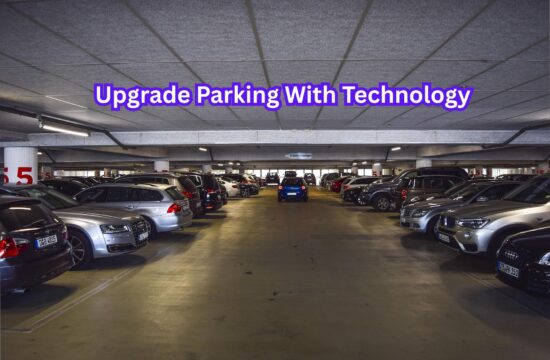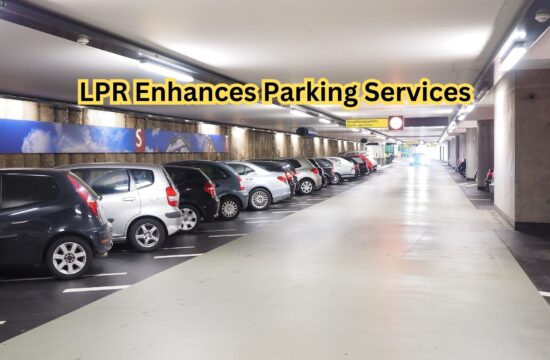
By combining cutting-edge technologies like artificial intelligence, cloud computing, and real-time data tracking, Intelligent Parking Enforcement Systems are revolutionizing how cities and private operators handle parking compliance. These systems monitor parking spaces effectively and reduce the need for human intervention, enabling more accurate rule enforcement and faster operations. Intelligent Parking Enforcement Systems also enhance efficiency by automating violation detection and reporting processes. As a result, urban mobility management improves significantly across modern smart city environments. By integrating advanced tools, Intelligent Parking Enforcement Systems ensure better compliance, optimized resource usage, and a more streamlined parking experience for both authorities and users.
How Intelligent Enforcement Systems Work
These systems rely on integrated technologies like mobile apps, centralized dashboards, and license plate recognition. Enforcement officers use smart devices to scan cars and instantly confirm parking status; data is sent to cloud-based platforms for processing and validation. This smooth workflow guarantees prompt violation detection, automated ticketing, and improved coordination between management authorities and enforcement teams. Using smart gadgets, law enforcement officials may quickly confirm a car’s parking status. For processing and validation, data is sent to cloud-based platforms. Quick infraction identification, automated ticketing, and improved communication between management authorities and enforcement teams are all made possible by this smooth workflow.
Key Features of Intelligent Systems
Real-time monitoring, automated violation detection, digital ticketing, analytics reporting, mobile accessibility for enforcement officers, and centralized control for administrators are just a few of the features that Intelligent Parking Enforcement Systems offer. Integration with payment systems guarantees precise tracking of paid and unpaid sessions. All of these features together improve transparency, lower errors, and efficiently streamline parking operations across various locations. They allow administrators to have centralized management and give law enforcement officials mobile accessibility. Accurate tracking of paid and unpaid sessions is ensured via integration with payment systems. Together, these features improve transparency, lower error rates, and effectively streamline parking operations across several sites.
Benefits for Cities and Operators
These technologies greatly assist cities and parking operators by increasing revenue collection and improving compliance rates. Automation minimizes human mistake and lowers labor costs. Better planning and decision-making are made possible by real-time insights. By guaranteeing equitable enforcement, lowering conflict, and preserving efficient traffic flow in crowded cities, these technologies also enhance user experience.
Role of Artificial Intelligence
In order to make parking enforcement more intelligent and flexible, artificial intelligence is essential. Parking habits are examined, infractions are anticipated, and enforcement routes are optimized by AI algorithms. Over time, machine learning increases accuracy and decreases false positives. This clever strategy ensures effective resource use and more successful parking management techniques by assisting authorities in concentrating on high-priority regions.
Challenges and Considerations
Intelligent Parking Enforcement Systems provide benefits, but there are drawbacks as well. Difficulties may include system integration challenges, data privacy issues, and initial setup costs. It’s also crucial to teach employees how to use cutting-edge technologies. However, organizations can successfully manage these difficulties and achieve long-term operational gains with the right strategy and investment.
Future of Parking Enforcement
With developments in IoT, automation, and smart municipal infrastructure, the future of intelligent parking enforcement systems is bright. Predictive systems will allow for proactive enforcement as opposed to reactive measures. Parking management will become more frictionless, scalable, and user-friendly in changing urban environments through integration with autonomous cars and smart transportation networks.